Tote Washers
IPEC custom tote washing systems are tailored to your specific containers, operations and available utilities.
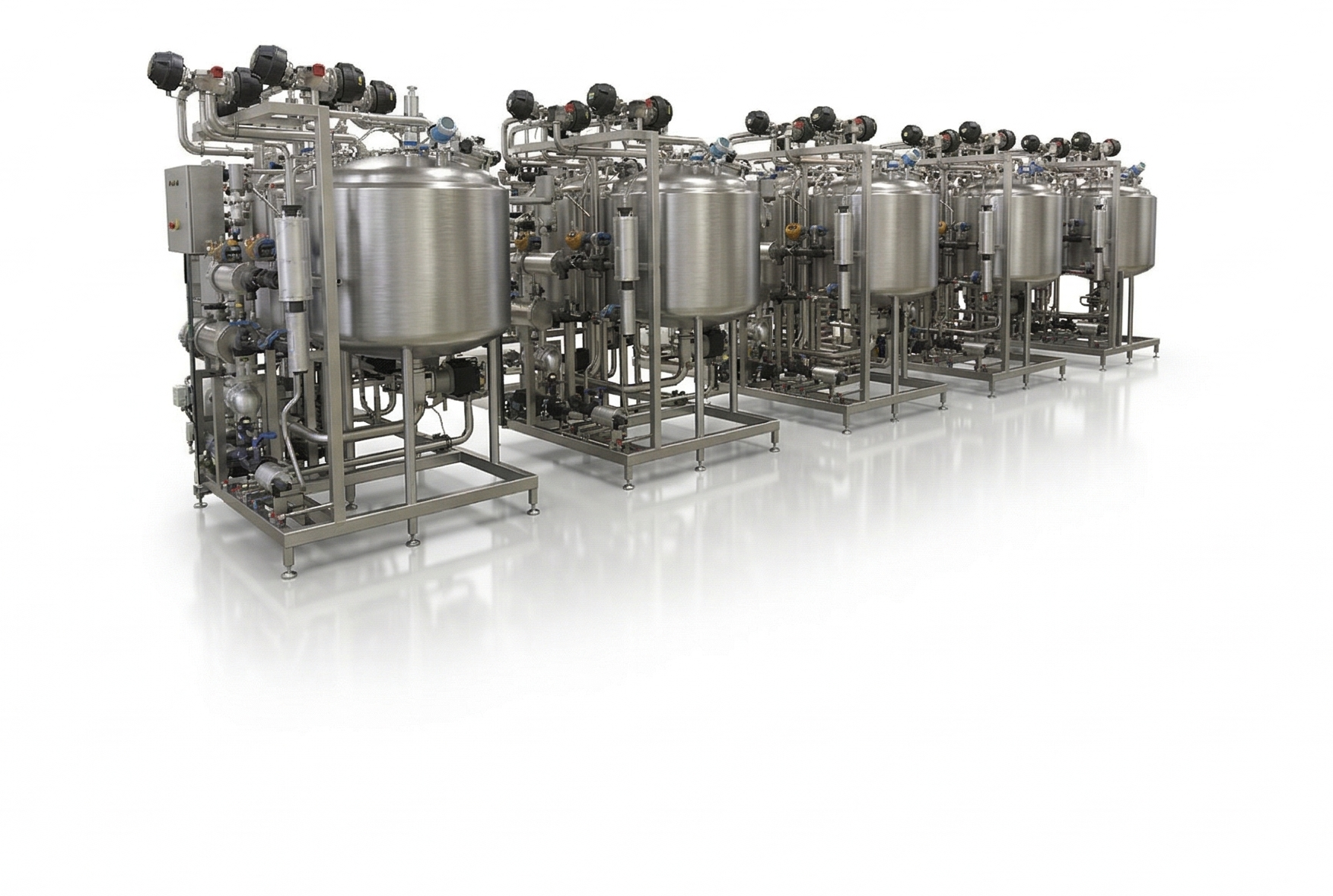
Clean-In-Place
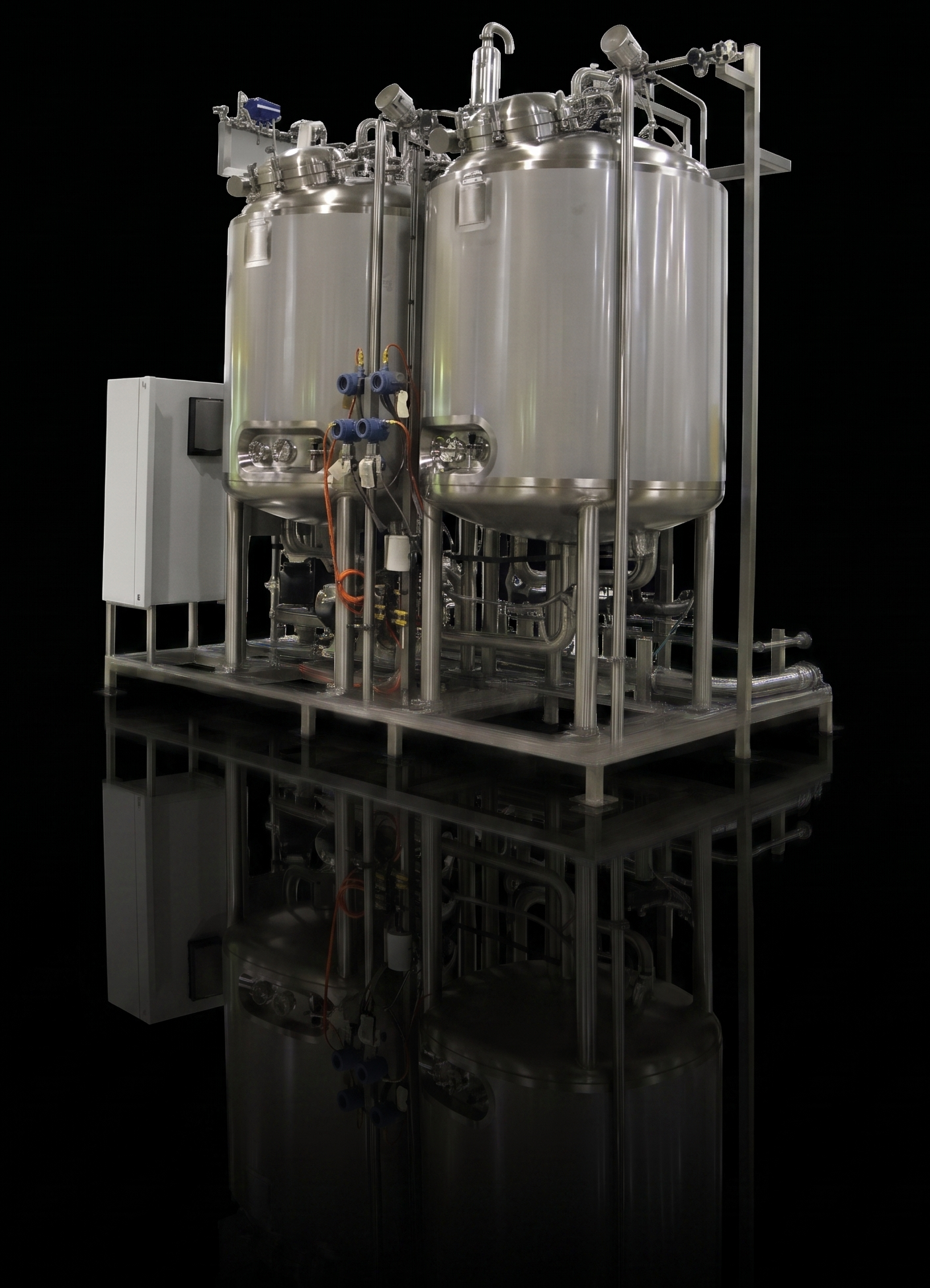
Save Time
Automated cleaning sequences are optimized to minimize time required to complete each cycle.
Save Money
Water, detergent & utilities are configured to minimize consumption yet deliver acceptable results.
Ensure Quality
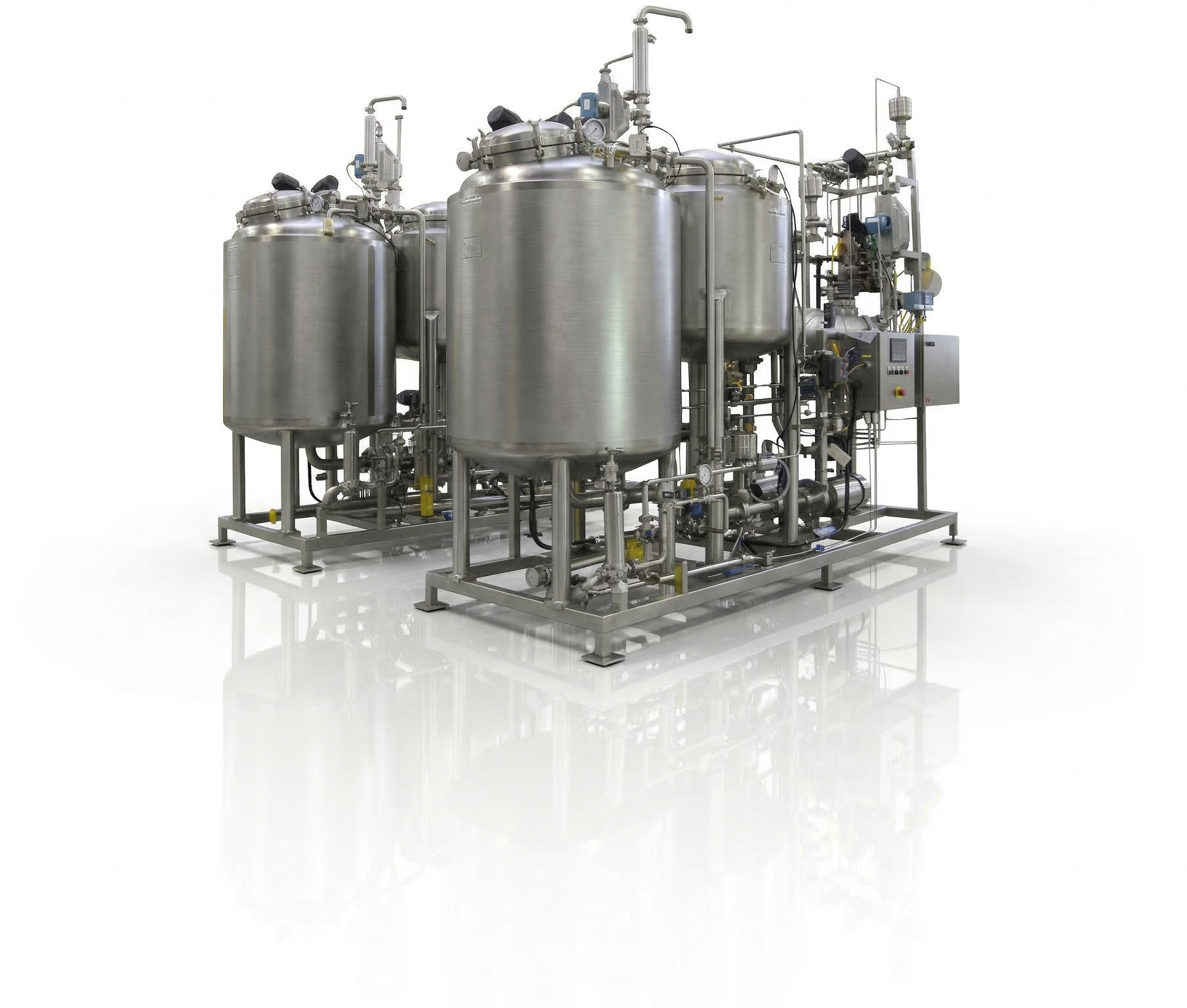
Once validated, the system provides repeatable operations that ensure downstream quality.
© Integrated Process Engineers & Constructors, Inc. All rights reserved.
1901 Allen Drive
Fort Atkinson, WI 53538 USA

Tankless CIP System
2-Tank CIP System
Portable CIP System
2-Tank CIP System
3-Tank CIP System
2-Tank CIP System
Portable CIP System w/ Return Pump Cart
Portable CIP System
Tankless Wash-In-Place System
2-Tank CIP System w/ Return Pump Stand
Tote Washers
IPEC custom tote washing systems are tailored to your specific containers, operations and available utilities.
Cabinet Washers
IPEC custom cabinet washers are designed with careful consideration of items to be cleaned, space and available site utilities.
COP Tanks
IPEC custom clean-out-of-place (COP) systems range from basic and manually operated to advanced and fully automated. These systems can be certified for use in hazardous environments when cleaning solvents or other factors demand additional safety measures.
Pump Carts
Portable CIP return pump carts can provide flexibility in cleaning processes, reducing both capex and operating costs by minimizing the total equipment required for operations.
Portability
If space is limited, new/additional facility piping cannot be accommodated, or you simply demand greater flexibility, IPEC Portable CIP Systems and Return Pump Carts are the solution.
Chemical Dosing
Chemical/detergent storage and dispensing equipment can be integrated within CIP systems or as stand-alone assemblies in support of multiple operations. IPEC can help guide you through the various design options upon request.
Super CIP
For larger facilities with high demand for CIP, a centralized “Super CIP” system may provide the greatest benefit. These systems typically leverage large common rinse vessels with smaller, dedicated wash sub-skids. Single point utility connections, master control systems and a more efficient overall use of space may also prove to be advantageous when compared to multiple standalone CIP systems.